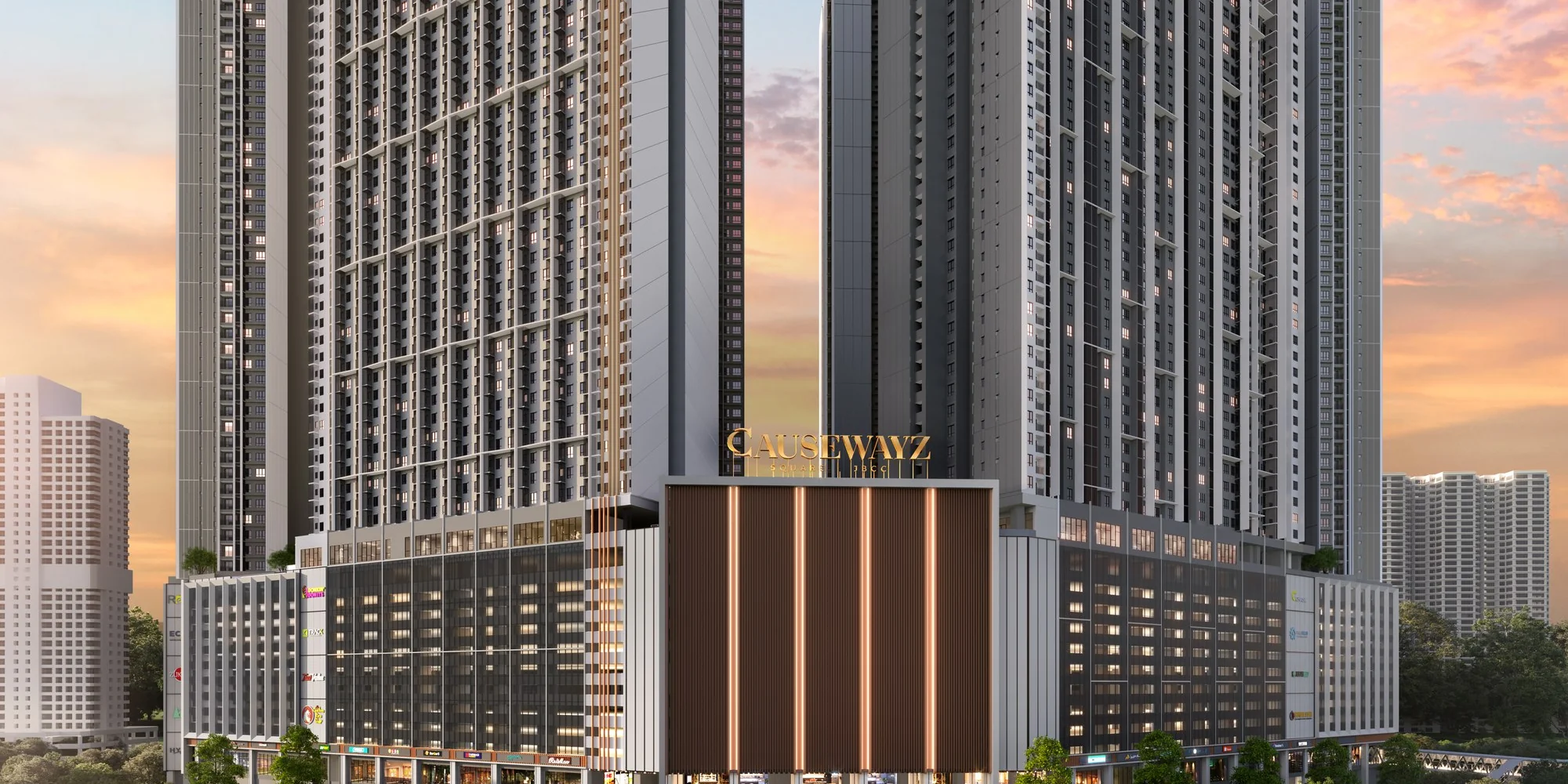
Cross-border commuting between Johor Bahru and Singapore has, for decades, meant a slow crawl through the Causeway checkpoints. The RTS Link — a rail connection between Bukit Chagar in JB and Woodlands North in Singapore — is designed to change that fundamentally, and its progress has become one of the most closely watched infrastructure stories in the Johor property market.
What the RTS Link actually is
The RTS Link is a short cross-border rail line connecting a new station at Bukit Chagar, within Johor Bahru City Centre, directly to Woodlands North station in Singapore, which itself connects into Singapore's own MRT network. The goal is straightforward: replace a bus-and-immigration-queue commute that can take well over an hour at peak times with a short rail journey plus dedicated cross-border immigration clearance built into the stations themselves.
Why this matters for property, not just commuters
For years, Johor Bahru's property market has partly been shaped by demand from Malaysians working in Singapore who want to live on the Malaysian side for lower cost of living while commuting daily. A materially faster and more predictable commute widens the radius of JB neighbourhoods that are realistically commutable, and specifically increases the premium on pockets that are genuinely walkable or short-driving distance to the Bukit Chagar terminus itself.
Which pockets benefit most
The most direct beneficiaries are developments within JBCC (Johor Bahru City Centre) and the immediate CIQ complex vicinity — walking distance to Bukit Chagar shortens the door-to-door commute the most, rather than requiring a further connecting drive or bus ride to reach the station. Projects positioned specifically around this walkability, rather than simply carrying a "Johor Bahru" label from further out, are the ones most directly tied to the RTS Link's demand story.
What could offset the effect
Two things are worth weighing against the optimism. First, execution and timeline risk on any large infrastructure project — actual completion and ridership can shift the value story if delivery timelines move. Second, supply: a wave of new launches has targeted the JBCC area specifically because of the RTS Link narrative, which means unit-level competition among projects for both buyers and tenants is real, and not every project within the general vicinity will benefit equally.
What to check before buying on this narrative
Beyond proximity to Bukit Chagar itself, look at the specific walking distance (not just the same postcode), the developer's delivery track record, and realistic rental demand assumptions — cross-border commuter tenants are price-sensitive and have options across several competing projects in the same corridor, so unit positioning within the area matters as much as being in the area at all.
Frequently asked questions
What is the RTS Link?
The RTS Link (Rapid Transit System Link) is a cross-border rail connection linking Bukit Chagar in Johor Bahru to Woodlands North in Singapore, designed to shorten the commute across the Causeway for cross-border workers and reduce congestion at the existing checkpoints.
Which areas benefit most from the RTS Link?
Areas within walking or short-driving distance of the Bukit Chagar terminus and the wider Johor Bahru City Centre (JBCC), including the CIQ complex vicinity, tend to see the most direct demand impact, since these are the pockets that shorten a cross-border commute the most.
Should I buy property in Johor Bahru because of the RTS Link?
Connectivity is one factor among several — price entry point, developer track record, and your own intended use (own-stay, rental to cross-border commuters, or capital appreciation) should all weigh into the decision, not the rail link alone.